Get a certified manual rack-and-pinion winch in just 1 minute
Find the perfect combination of manual drive, rack, and anti-rollback device—technically certified and available for immediate delivery.
4 Steps to Finding the Right Rack-and-Pinion Winch
The product advisor will guide you step by step through the technical design of your rack-and-pinion winch.
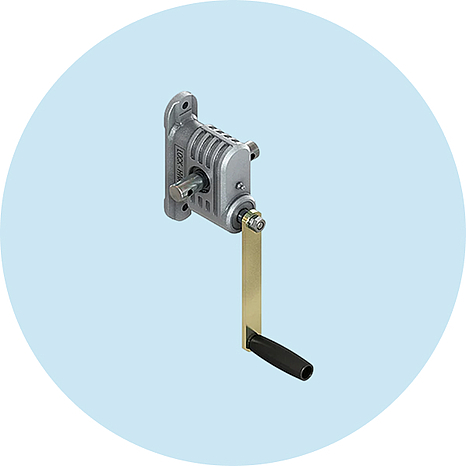
1. Select Drive
Select based on load condition and installation.
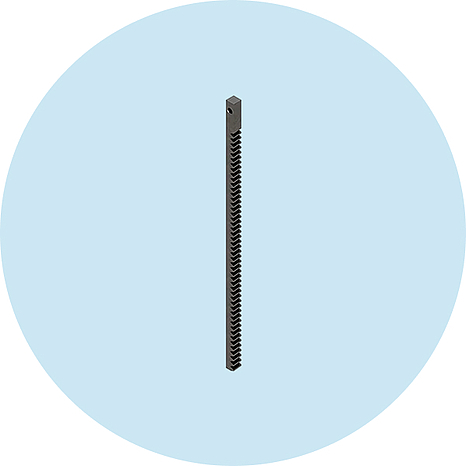
2. Define Rack
Specify length and profile.
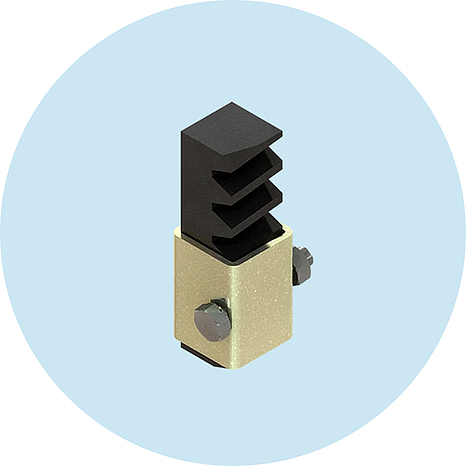
3. Add Safety Device
Protection against uncontrolled runout.

4. Get Results
You will receive a link with your results, which will serve as the basis for your design.
What information is required?
The following information is helpful for designing your rack-and-pinion winch:
- Load & Stroke: What mass are you moving over what distance?
- Environment: Standard application or increased corrosion protection required?
- Operation: Drive via crank or free shaft end?
Don’t have all the details yet? No problem!
Start the configuration with the information you have available. Any outstanding technical details can be clarified together later.
What happens next?
Once you have completed the configuration, you will receive a personalized configuration link. This link contains all the technical parameters you selected for your rack-and-pinion winch.
You can use the built-in contact button to send the configuration directly to us. We will then use this information to prepare a customized quote—without any unnecessary follow-up questions or duplicate data entry.
The Three Components
A rack-and-pinion winch consists of three components: a manual drive, a rack, and a backstop. In the product configurator, we tailor these three components to your specific application. The result is a complete, technically tested rack-and-pinion winch that meets your requirements.
Start configuring
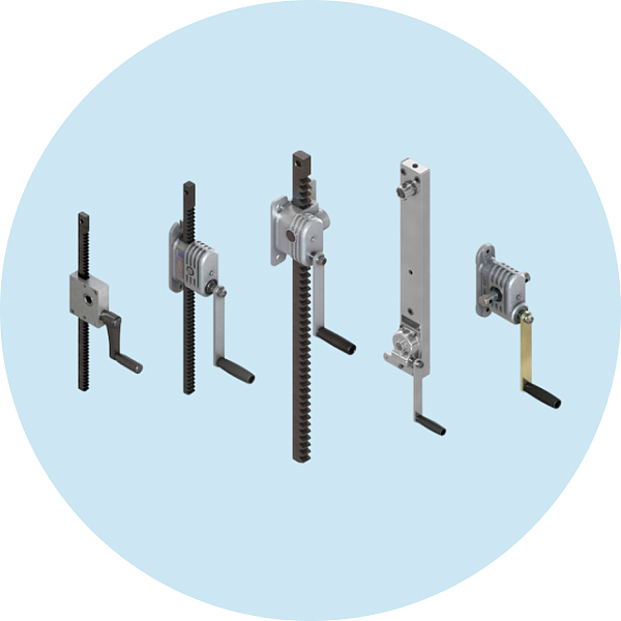
Manual Drives
Lock’s manual drives are designed for loads ranging from 1,000 N to 100 kN and torques up to 160 Nm. They lift, lower, adjust, and secure loads with robustness and reliability.
Manual rack-and-pinion winches with self-locking worm gear can be coupled for linear and planar loads—supplemented by the wall-mounted winch according to DIN 7355 and the manual chain drive for high-mounted shafts.
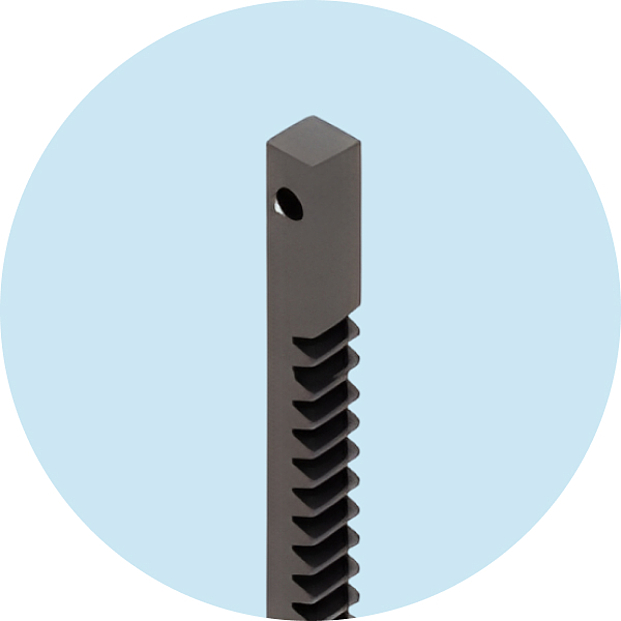
Rack
The racks, featuring a specially developed tooth geometry, are designed for manual drives and ensure smooth, robust operation. The treated surface ensures high wear resistance, and the teeth can withstand tensile and compressive loads.
Lengths up to 6 meters and custom drilling patterns enable precise installation—even in combination for linear and surface loads.
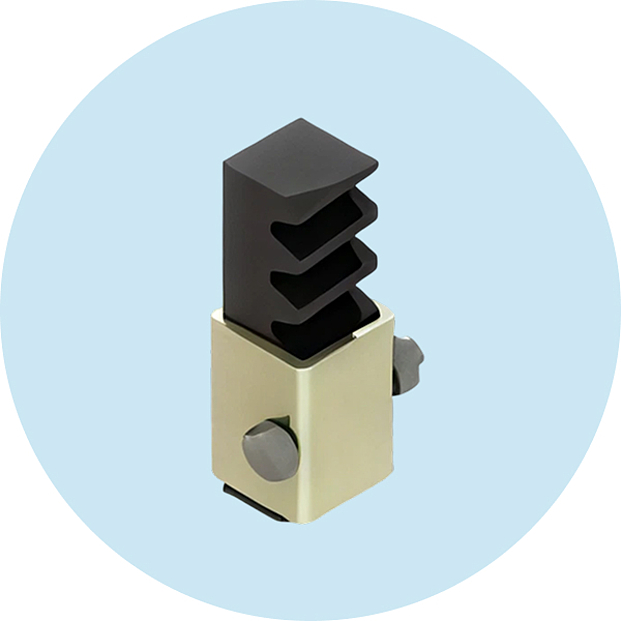
Overrun Protection
The overrun protection limits the travel distance and prevents the rack from running out of control.
This ensures that the load remains securely held in place and prevents damage to the structure—ensuring safe operation of your application.
Why Lock?
- High delivery capacity and short lead times
- Made in Germany
- Dedicated contact person
- Spare parts availability for up to 20 years
- Experience in developing drive solutions since 1844
- High-quality materials and precision manufacturing
- Customizable solutions
- Technical consulting and project support
- ISO 9001:2015 certification
Typical applications for rack-and-pinion winches
Industrial & Custom Machine Building – Assembly Workstations and Fixtures
In industrial manufacturing and custom machine building, rack and pinion jacks are used wherever workpieces, parts, or machine components need to be securely positioned, lifted, or clamped. Typical applications include ergonomically height-adjustable workbenches, assembly platforms, fixtures, and custom designs in toolmaking.
The compact design allows for integration even in confined spaces, while the self-locking worm gear ensures reliable adjustment under load. By mechanically linking multiple rack and pinion hoists, even large platforms can be moved synchronously. This results in more ergonomic workflows, shorter setup times, and greater process reliability in production.
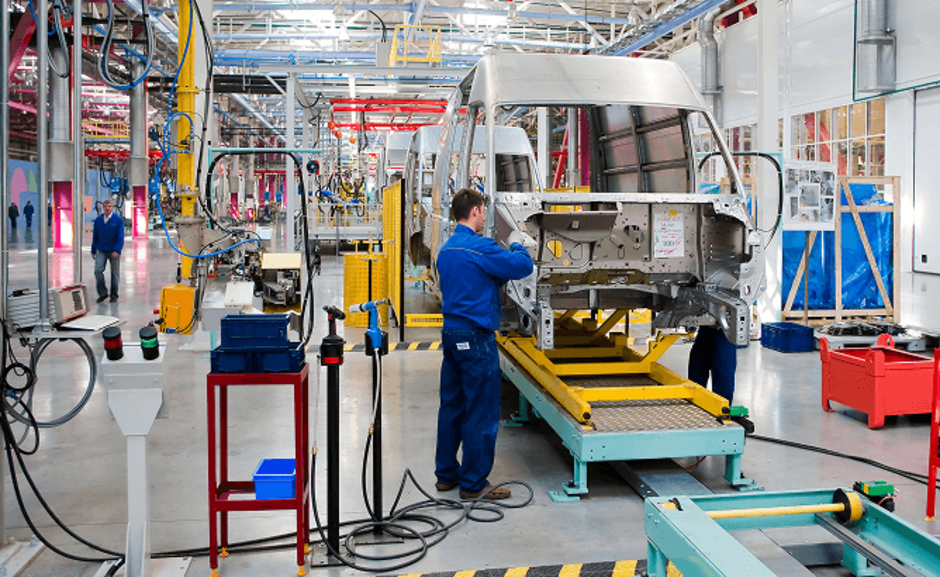
Rail Vehicle and Heavy-Duty Vehicle Manufacturing – Maintenance and Assembly Platforms
In rail vehicle and heavy-duty vehicle construction, rack and pinion hoists are used for maintenance and assembly platforms that must be moved safely and precisely toward vehicles. The compact design allows for use in mobile and stationary platforms, while the self-locking worm gear reliably maintains any set working height—without hydraulics or pneumatics.
Multiple coupled rack-and-pinion hoists enable the synchronized movement of long work platforms or roof work platforms. Typical applications include roof work platforms, side maintenance platforms, and assembly fixtures in workshops and depots. This supports standardized maintenance procedures and a high level of workplace safety.
Conveyor Technology & Plant Engineering – Valves, Shut-off Devices, and Adjustment Tasks
In conveyor technology and plant engineering, rack and pinion winches perform adjustment, opening, and locking tasks in a wide variety of conveyor and process systems. Rack and pinion winches compliant with DIN 7355 are particularly well-suited for applications requiring high holding forces, such as valves, flaps, shut-off devices, or conveyor systems.
The high force ratio enables controlled positioning even under heavy loads. At the same time, the compact design allows for direct mounting on existing structures. This results in durable, purely mechanical adjustment solutions that operate reliably without hydraulics or pneumatics.
Facade and Building Technology – Adjustable Louvers and Sun Protection
In facade and building technology, rack-and-pinion winches facilitate the adjustment of louvers, sunshade systems, ventilation dampers, and facade elements. Thanks to their compact design, the systems can be discreetly integrated into the structure.
The self-locking gear reliably holds set positions without requiring additional energy. The ability to withstand tensile and compressive loads, as well as the option to mechanically link multiple systems, also enables the adjustment of larger facade elements. This results in low-maintenance and durable solutions for modern facade and building concepts.
Customers who are already using Lock
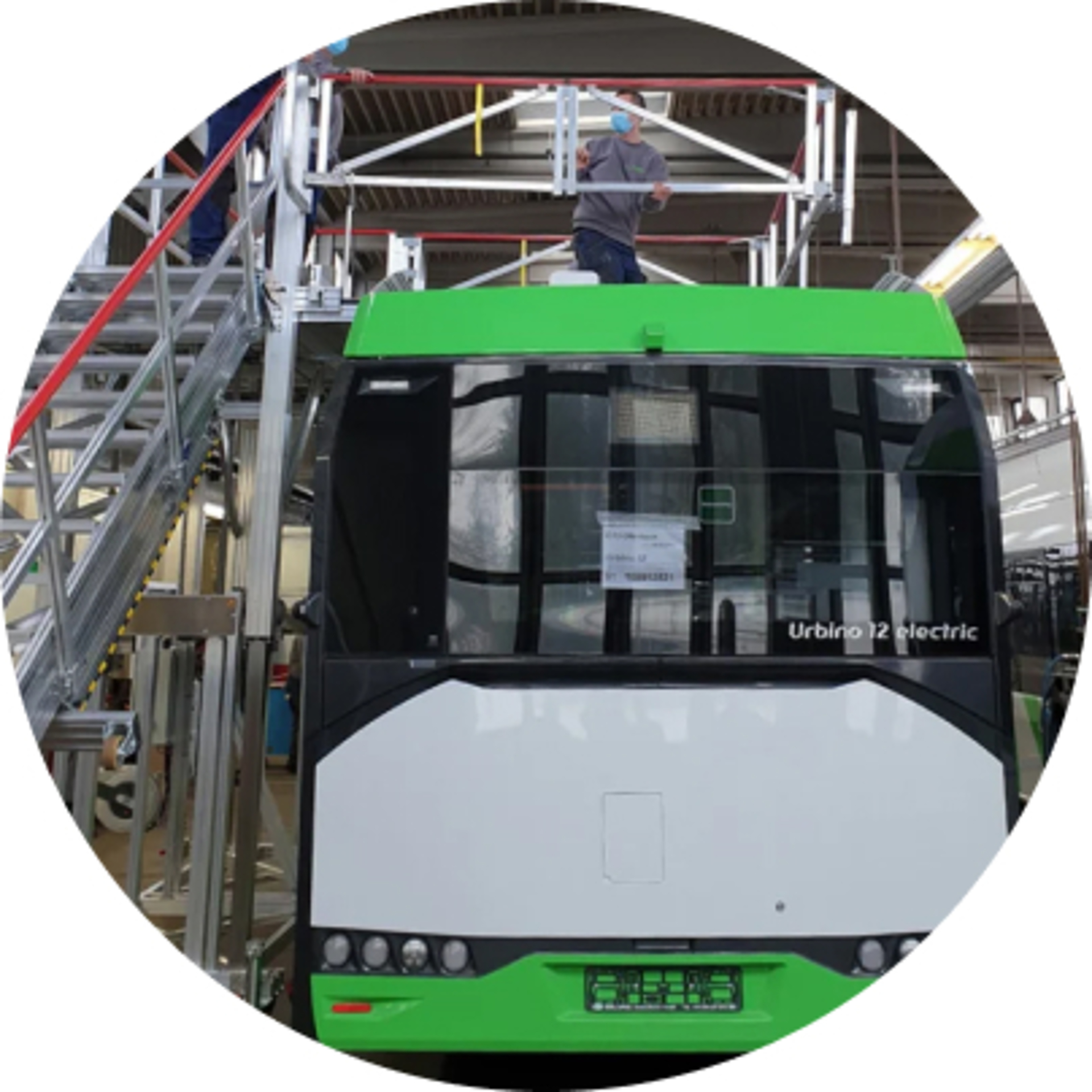
Offenbach Public Transportation Authority (OVB) – Maintenance platform for electric buses
Offenbacher Verkehrsbetriebe operates a modern fleet of electric buses whose pantographs require regular maintenance. To ensure safe and ergonomic work on the bus roof, OVB relies on a maintenance platform equipped with Lock rack-and-pinion winches. Several winches are mechanically linked and manually lift the platform to a working height of up to 3.9 meters. Technicians then access the bus roof via lifting units and a fold-out basket railing. The self-locking mechanism in the Lock winches securely holds any set position—without hydraulics or pneumatics. This has resulted in a reliable, sustainable, and virtually maintenance-free solution.
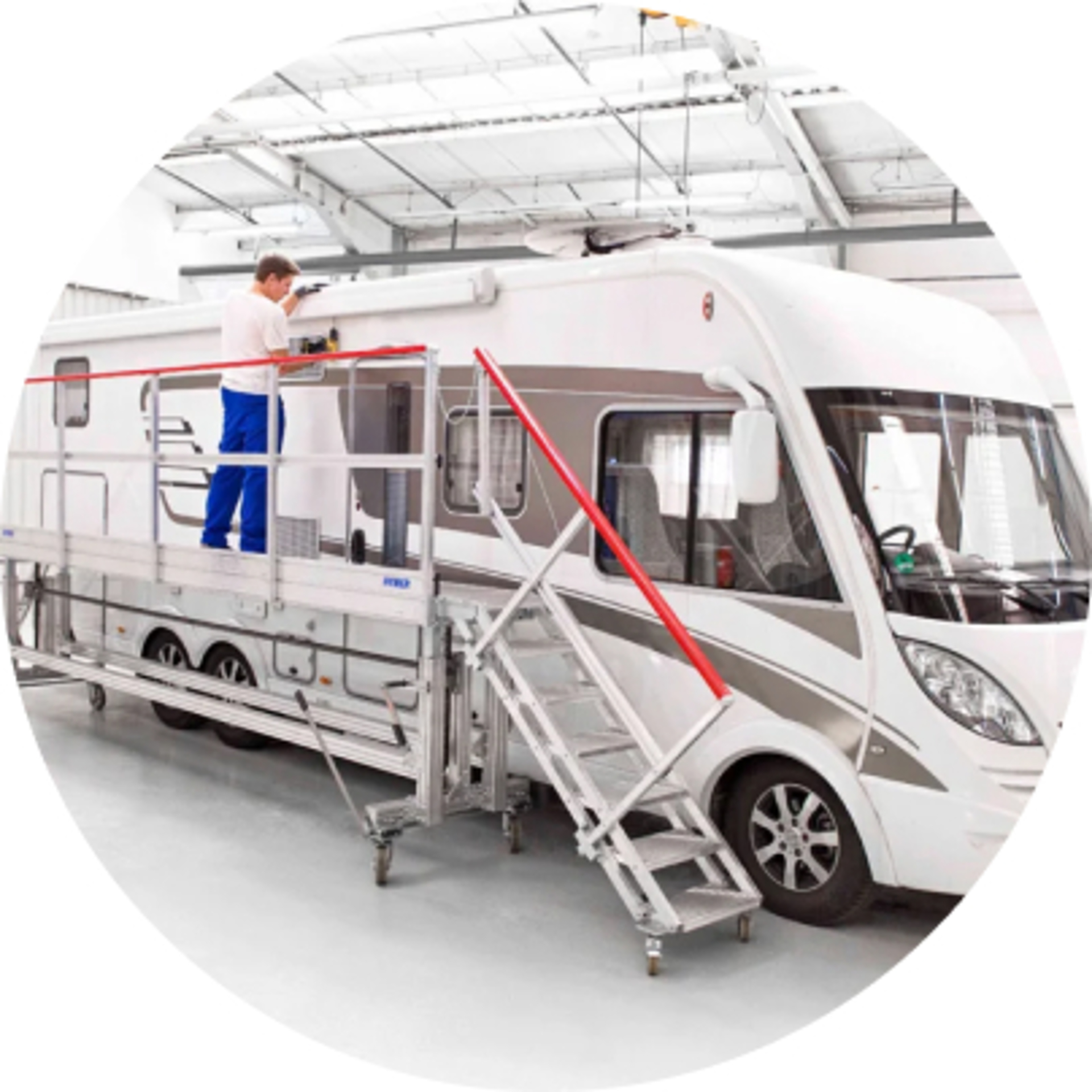
RV Manufacturer – More Efficient Final Assembly in Confined Spaces
In the final assembly of RVs, every second and every centimeter counts. A manufacturer in southern Germany wanted to speed up its assembly processes and make them more ergonomic—despite extremely limited space in the production hall. Following an on-site analysis by Lock experts, the decision was made to install a maintenance platform with manual height adjustment. Several Lock rack-and-pinion jacks were mechanically coupled so that the platform can be precisely adjusted to the specific vehicle type. The result: shorter setup times, more ergonomic workflows, and a noticeable increase in assembly efficiency—all without space-consuming hydraulic or pneumatic technology.
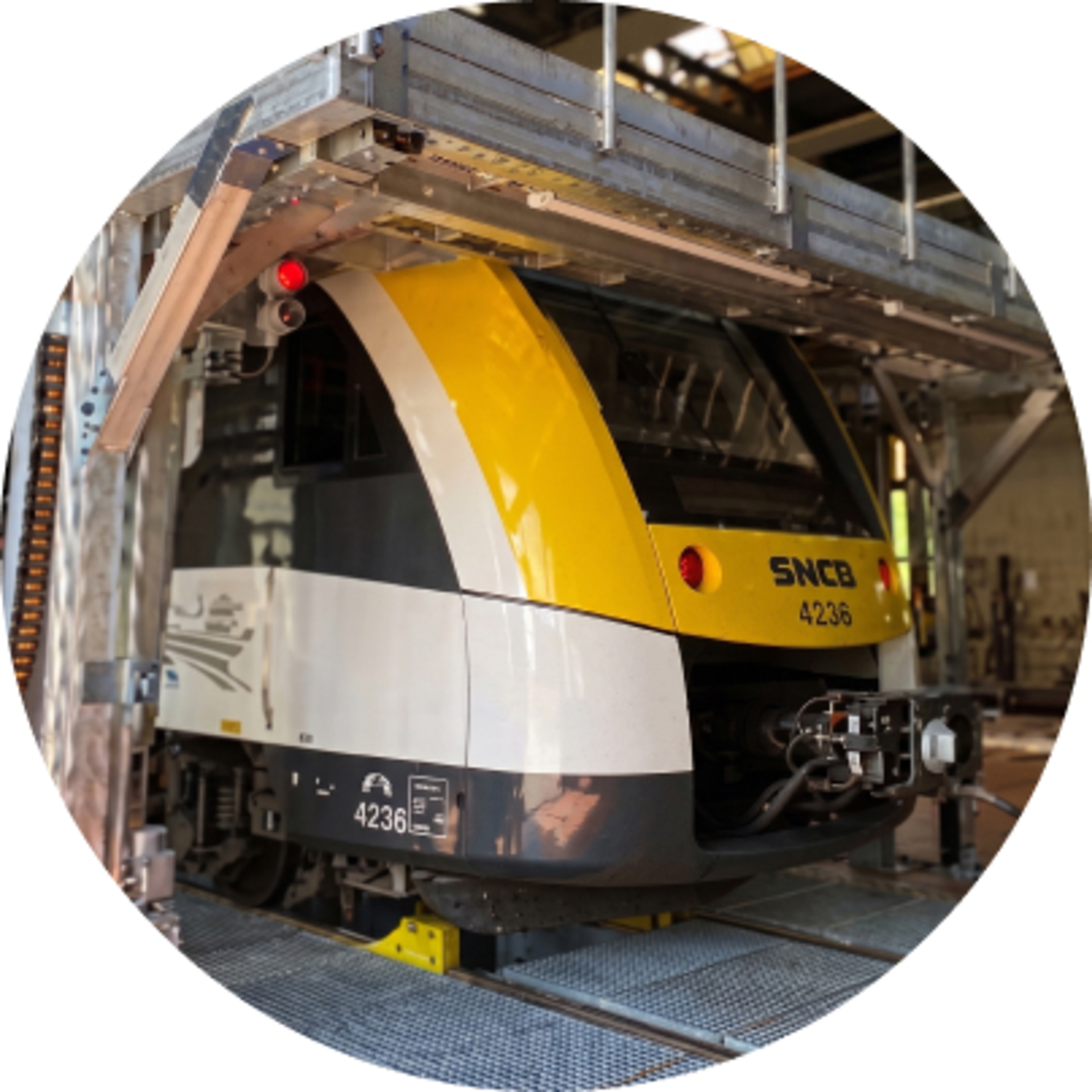
SWEG Südwestdeutsche Landesverkehrs-GmbH – Roof Access Platform for Safe Maintenance Work at the Depot
SWEG Südwestdeutsche Landesverkehrs-GmbH operates a modern depot for rail vehicles. Lock ProSystems designed the drive system to ensure safe and ergonomic roof maintenance of the vehicles. Extensions for lateral adjustment are moved manually using simple hand-operated drives with Lock rack-and-pinion winches. This allows the work platform to be guided precisely along the vehicle’s contours—without the need for electrical systems. The low-maintenance design ensures consistently reliable operation in daily workshop use and helps SWEG perform maintenance work safely, efficiently, and in compliance with high occupational safety standards.
Information
Rack-and-pinion winches are used in many areas of mechanical and plant engineering and must meet various technical requirements depending on the application. The following questions provide a quick overview of the typical applications, functions, and characteristics of rack-and-pinion winches.
FAQ
Rack-and-pinion hoists are used in mechanical engineering, plant engineering, and vehicle manufacturing, as well as in maintenance and platform systems.
Lock’s manual drives are designed for loads ranging from 1,000 N to 100 kN.
Yes. Multiple systems can be mechanically linked to move linear or planar loads in sync.
Mechanical rack-and-pinion hoists require little maintenance and do not need hydraulics or pneumatics. This eliminates typical risks such as leaks or pressure loss.
Downloads
Here you will find technical information, data sheets, and additional documentation on Lock rack and pinion hoists and components.
Go to Downloads
Ready for the next level?
Whether it’s technical design, product selection, or custom requirements, our experts are happy to assist you personally. Please contact us, and let’s work together to find the right solution for your application.